
Am I Autistic? Understanding the Signs & Finding Answers
What are the signs of autism in adults?
Typically, some of the signs of autism in an adult are that they have a lot of strong sensory preferences to things like noise, touch, and the textures of foods. They may be people who lead a very routine-driven life and don’t like surprises or changes to plans. They may also have had lifelong challenges in speaking to people and making friends.
What are the signs of autism people often miss?
A lot of people don’t know about the sensory differences which can be part of autism and are often so used to doing things their own very particular way that they don’t know that it’s anything unusual. People also don’t always realise that their interests may form part of autism, especially if they are so important to them that they take up a lot of their time and thoughts.
How do autism signs show up differently in women and non-binary people?
Although there are no gender-specific signs of autism, it has been said that more women and AFAB people tend to learn to hide or ‘mask’ the signs of autism to try and appear ‘normal’ and fit in with those around them. This is very exhausting as it takes up a lot of mental energy and can cause anxiety, depression, and burnout over time.
How do I know if it’s autism or ADHD/anxiety?
Autism is quite different from both ADHD and anxiety, although it is possible to have all three! Each of these conditions has its own diagnostic criteria, and symptoms of autism will likely have been present from early childhood, whereas ADHD may not be obvious until a bit later. Anxiety can come and go throughout life, whereas autism and ADHD are pretty much always there.
Do I need a diagnosis to say I'm autistic?
That depends. If you need formal support from an employer, education provider, or healthcare service, you may need a diagnosis. If, however, it is just for your own understanding and for those around you, many people are satisfied to self-identify and say that they are autistic without being assessed. There are varying opinions about this, but ultimately it is up to you to decide what feels comfortable for you.
Why are so many adults only realising they're autistic now?
For a long time, researchers thought that autism was rare and only experienced by people with a learning disability, and so it would have been impossible for a person with an average or above IQ to be considered autistic. It is only in recent years that this has changed, and so we are catching up with diagnosing a lot of adults who missed being diagnosed when they were younger because it wasn’t recognised then.
What should I do if I think I might be autistic?
Our book, Could I Really Be Autistic? draws from our experience of over 1,500 autism assessments offering you a reassuring hand to start the process of self-understanding
There are several autism online screening tests that you could complete to begin the process of seeing whether you might actually be autistic. Learning about what autism actually is is also helpful, as it may be that something else is a better explanation for your differences.
Written by:
These FAQs were written by Sarah Hendrickx and Jess Hendrickx. Sarah is autistic and ADHD. She has delivered more than 1,000 autism training workshops and spent the past 14 years assessing and supporting autistic individuals. Jess Hendrickx is a non-clinical diagnostician, trainer, and mentor with a PGCE in Autism.
Together, they have written Could I Really be Autistic? a guide that helps you self-diagnose or get closer to finding out if you're autistic.
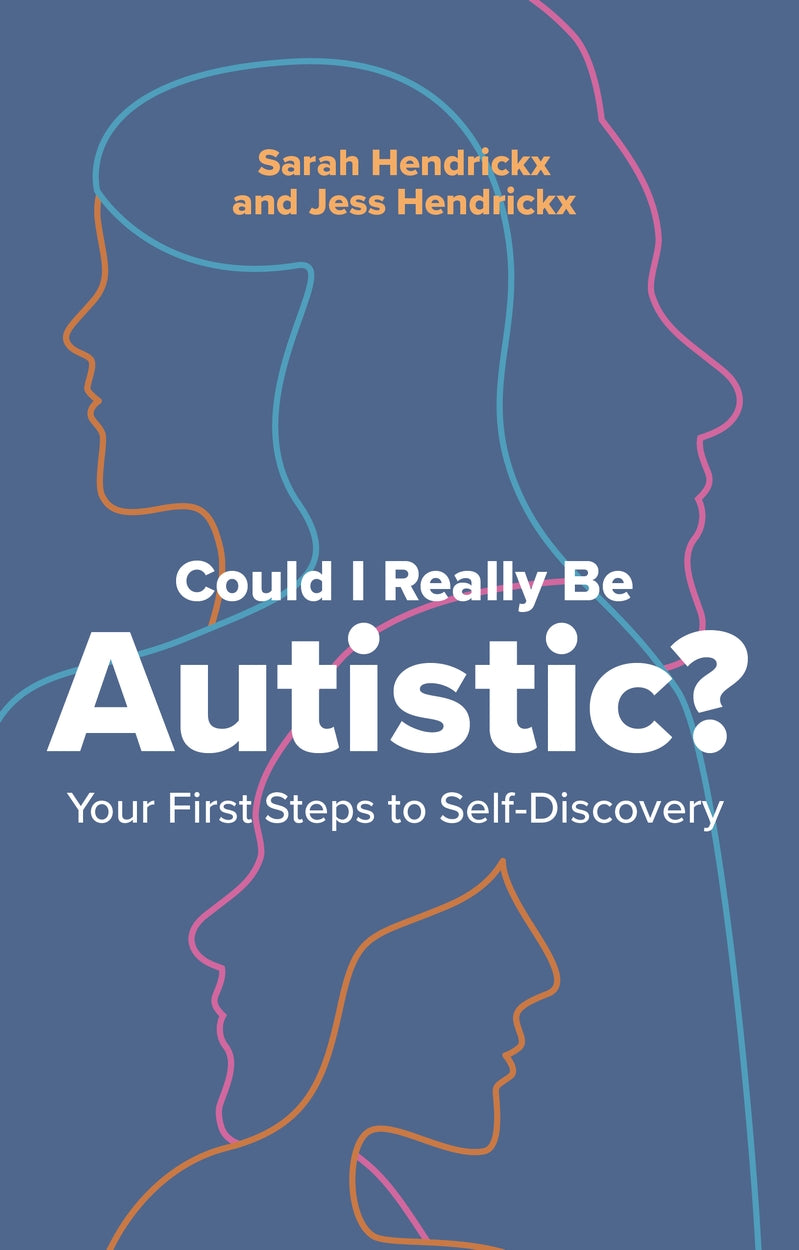
The book that helps you find out if you might be autistic
Have you got that nagging curiosity about autism that doesn’t seem to go away? Maybe you can make eye contact, enjoy being spontaneous, and don’t mind your food touching — so you wonder, could I really be autistic? A formal diagnosis might feel like too big a leap — what if I’m wrong? What if I look foolish? Drawing on experience from over 1,500 autism assessments, the authors offer a reassuring hand to help you explore these questions and start your own process of self-understanding.