

Dealing with Change, Loss and the Unexpected
A Practical Guide for Neurodivergent Adults
- Author
- Foreword
Regular price
£16.99
Regular price
Sale price
£16.99
Unit price
per
- ✔️ Free UK delivery over £40
- ✔️ Careful, protective packaging
- ✔️ Direct from the publisher

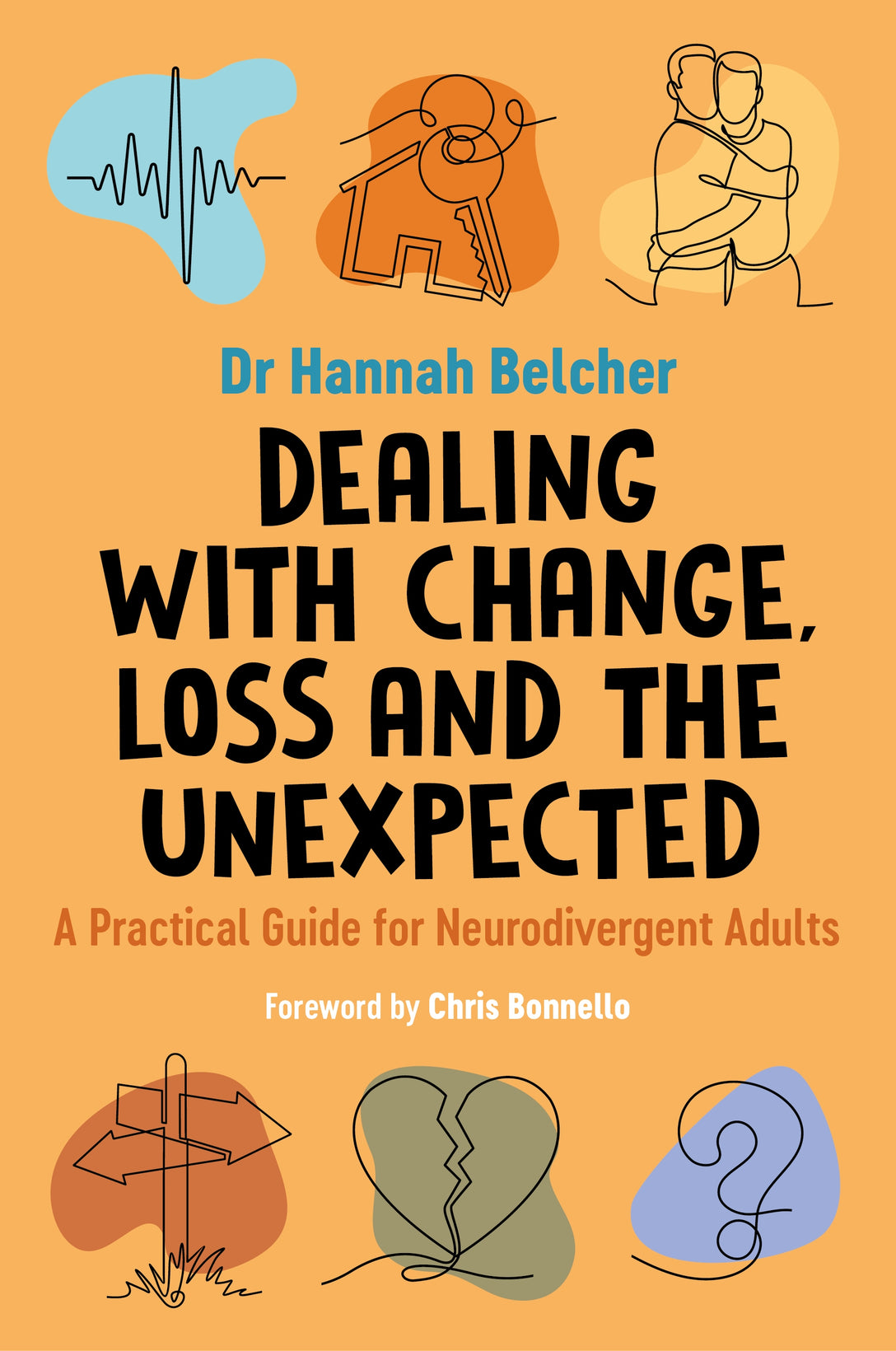
Changes are an inescapable part of life, from unexpected disruptions to our day-to-day routines to big life events. Autistic people and those with ADHD often cite change as the biggest contributor to stress and poor mental wellbeing. Why is it that change can be so difficult to cope with and what can help manage the uncertainty that change brings?
Dr Hannah Belcher answers these questions and explores how autistic and ADHD traits manifest in the face of uncertainty and unpredictability, offering positive coping strategies to support neurodivergent adults with both every day and more pivotal life changes.
This affirming guide is packed full of practical tools to help you look after yourself and manage changes and unexpected events in all aspects of adult life, from work and health to family and friends.
Dr Hannah Belcher answers these questions and explores how autistic and ADHD traits manifest in the face of uncertainty and unpredictability, offering positive coping strategies to support neurodivergent adults with both every day and more pivotal life changes.
This affirming guide is packed full of practical tools to help you look after yourself and manage changes and unexpected events in all aspects of adult life, from work and health to family and friends.
- Published: Aug 21 2026
- Pages: 224
- 228 x 152mm
- ISBN: 9781805019435
Press Reviews
Sarah Boon, author of Young, Autistic and ADHD
From small daily changes to significant life transitions, Hannah compassionately discusses how unpredictability and change can impact autistic and ADHD people differently. Dealing with Change, Loss, and the Unexpected offers guidance to neurodivergent people through a variety of approaches to handle the challenges that come our way in an unpredictable world.
from the foreword by Chris Bonnello, autism advocate, speaker, and author
Dealing with Change, Loss, and the Unexpected is such an important book. Dr Belcher's work helps to further the neurodiversity discussion in a way that is healthy, compassionate, and neurodivergent-led.
Liane Holliday Willey, EdD, author of Pretending to Be Normal and Safety Skills for Asperger Women
Dealing with Change, Loss, and the Unexpected blends academic rigor with lived authenticity in an insightful look at how autistic and ADHD individuals experience change. Dr. Belcher clarifies why it can feel destabilizing and offers thoughtful supports in a reassuring, empowering voice.